6 6.1 A Lines 15 C Lines
2
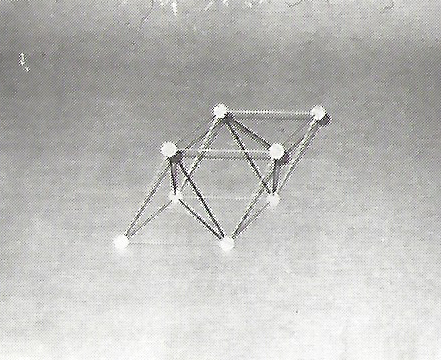
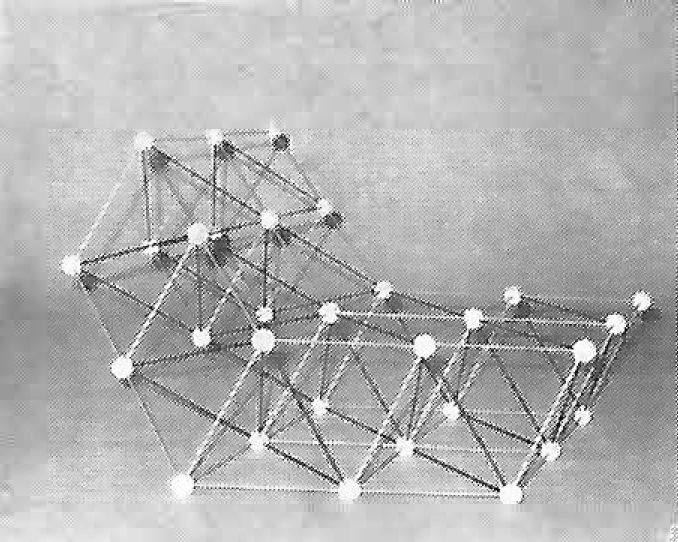
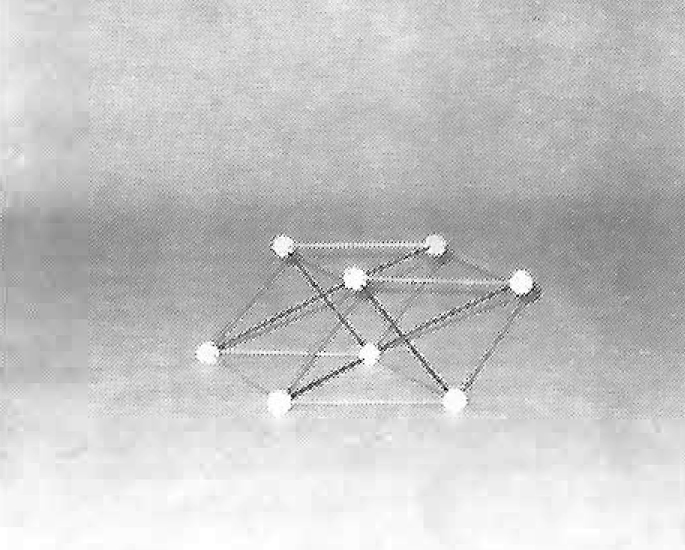
Figure 6.60: Single 21-zone A cell
3
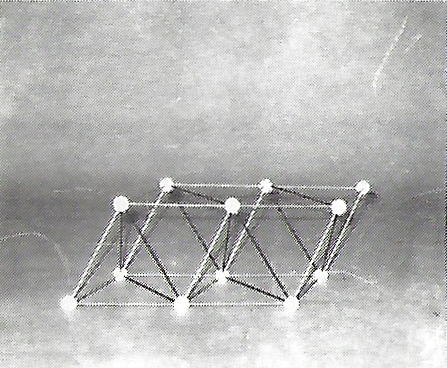
Figure 6.61: 2 A cells
4
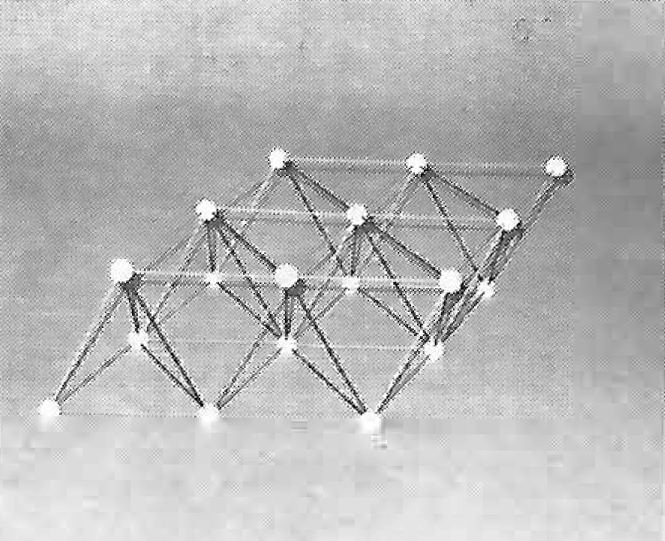
Figure 6.62: 4 A cells
5
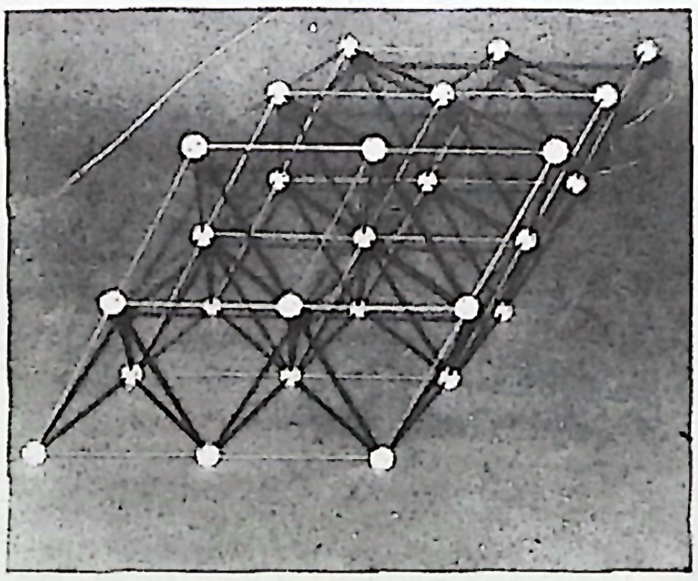
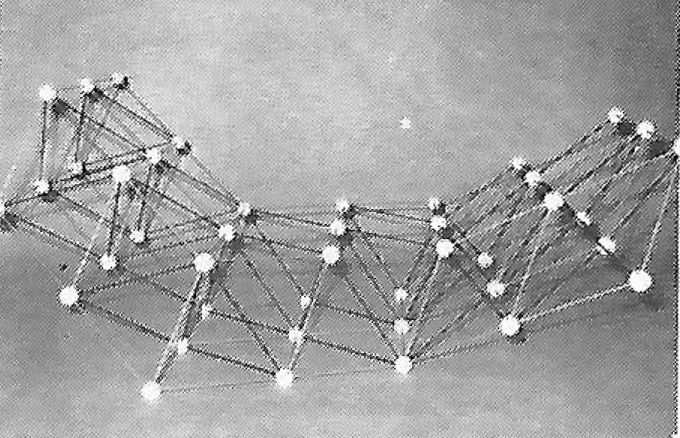
Figure 6.63: 8 A cells
6
Figure 6.64: Truss turning corner 8 A cells
7
Figure 6.65: Truss turning corner 8 A cells - 4 B cells
8
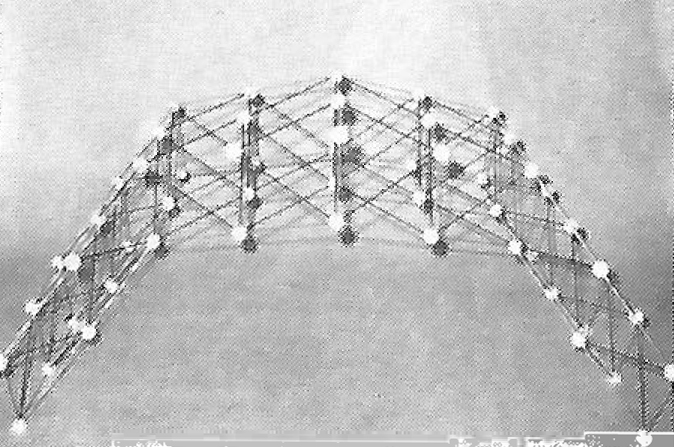
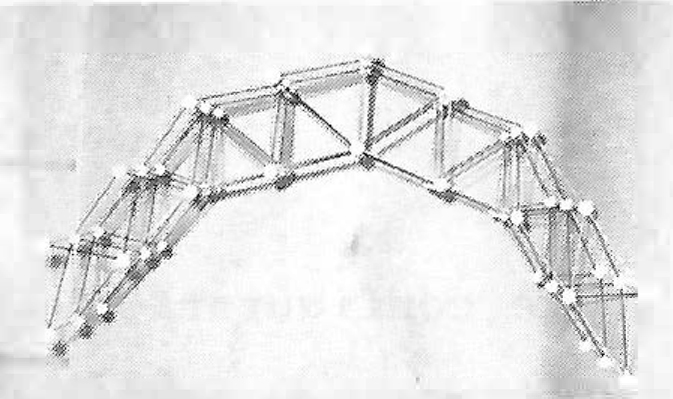
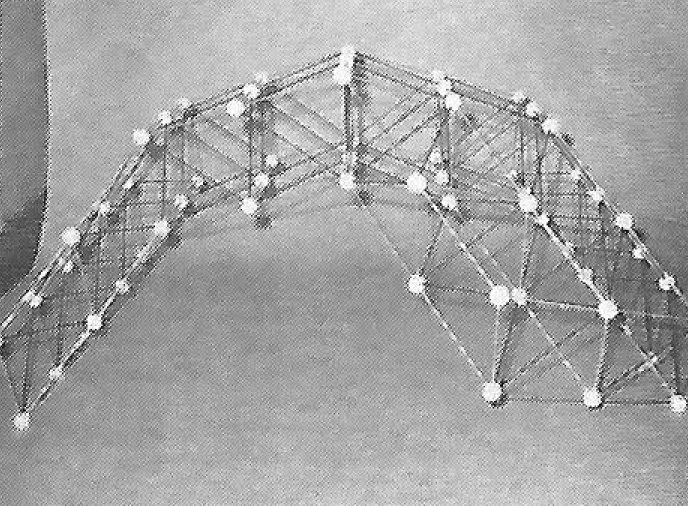
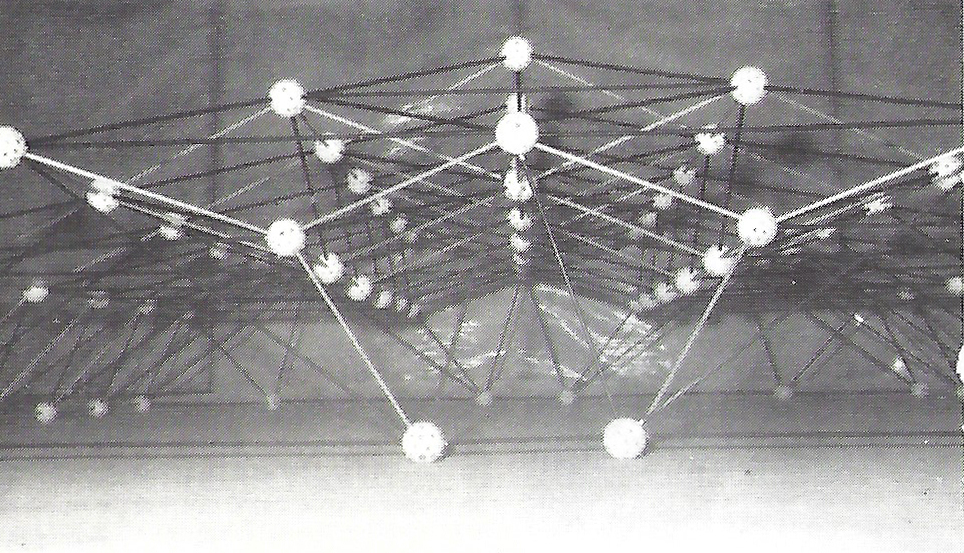
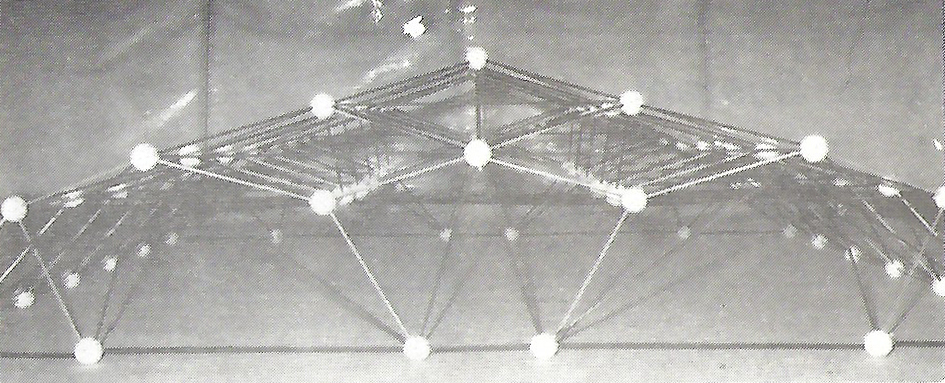
Figure 6.66: Truss forming arch* A cells middle sections B cells on sides
9
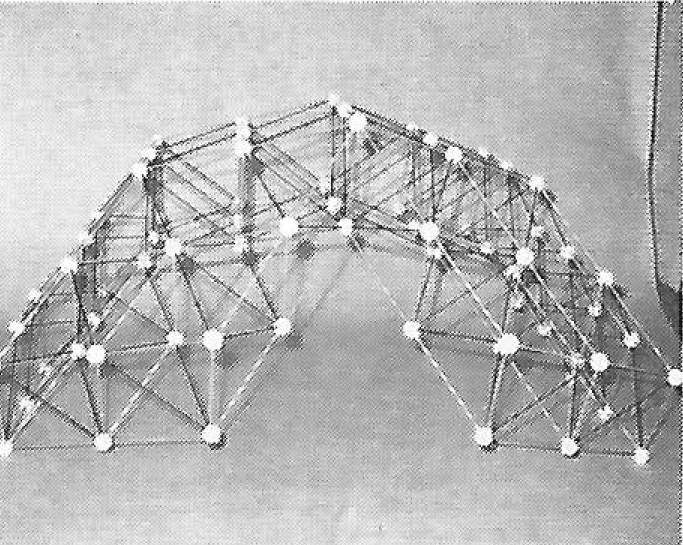
Figure 6.67: *Truss forming arch Head on view
10
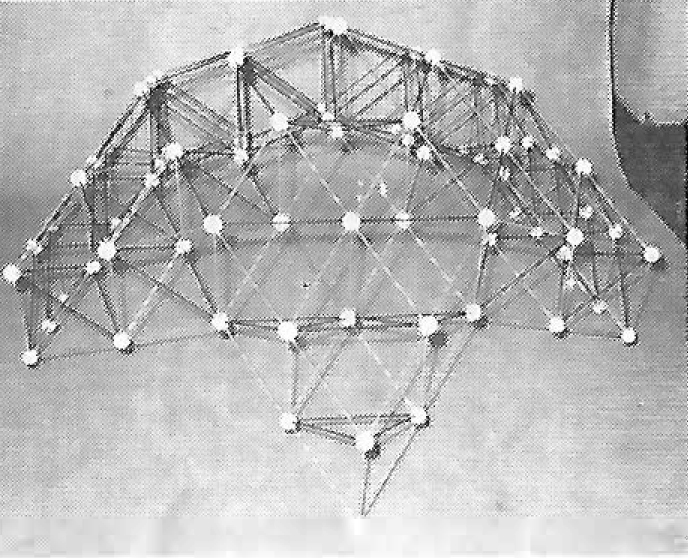
Figure 6.68: Single 21 zone B cell
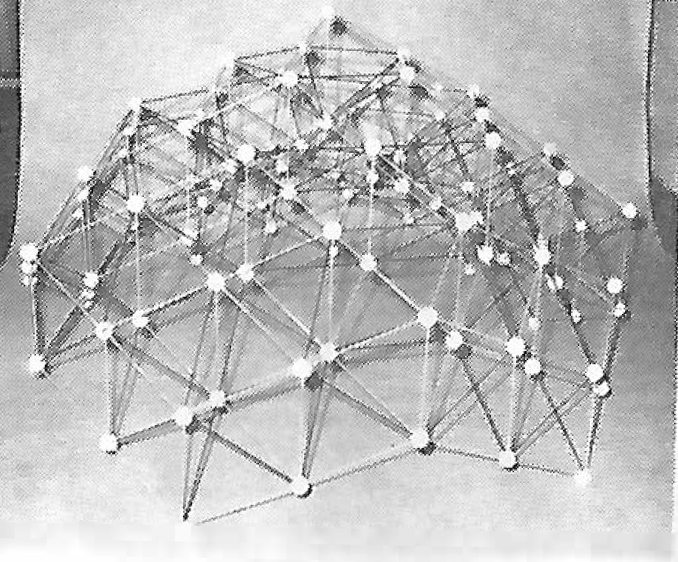
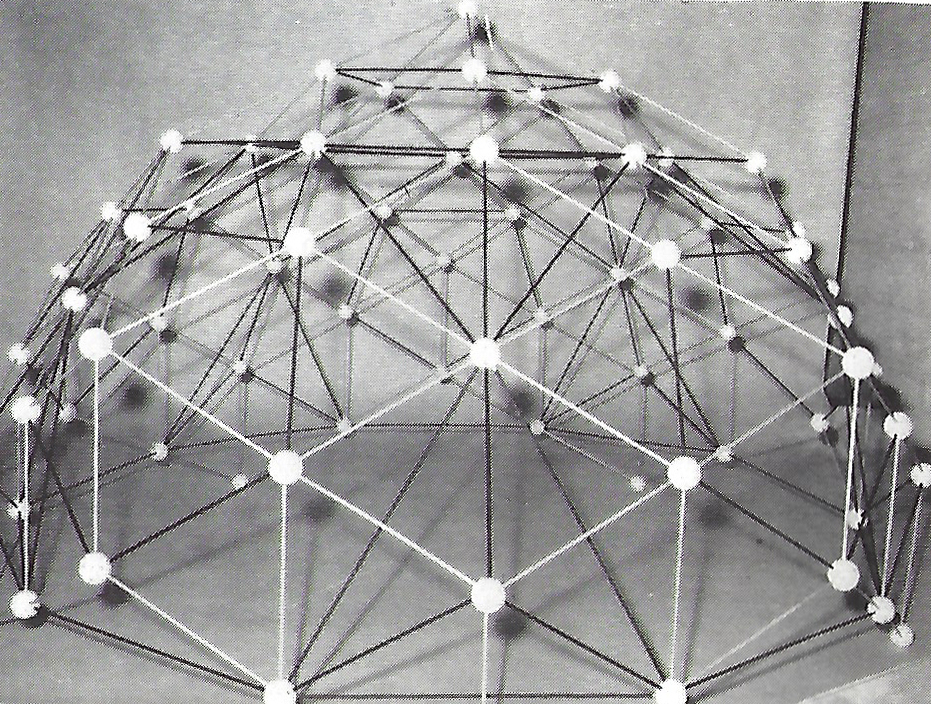
11 21-zone truss forming a cap over 5 six-zone diamonds
12
Figure 6.69:
13
Figure 6.70:
14
Figure 6.71:
15
Figure 6.72: Six-zone truss covering the top half of triacontahedron
16
Figure 6.73:
Pentagonal structure formed by truncating pent corner of triacontahedron.
See structure in Figure 15.162
17
Figure 6.74:
18
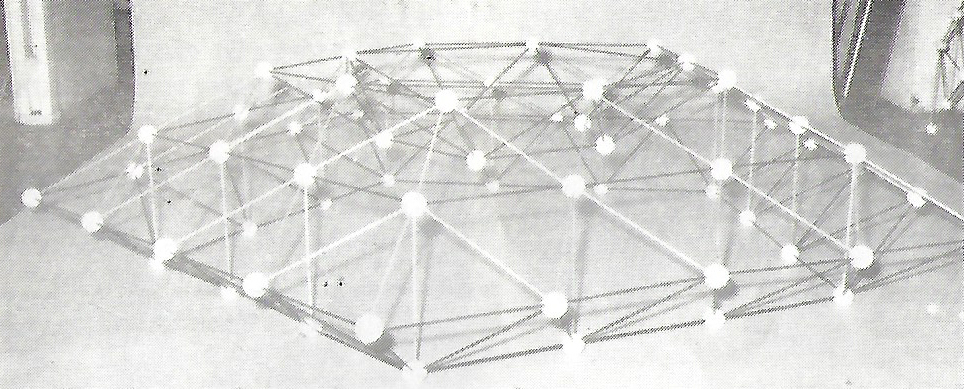
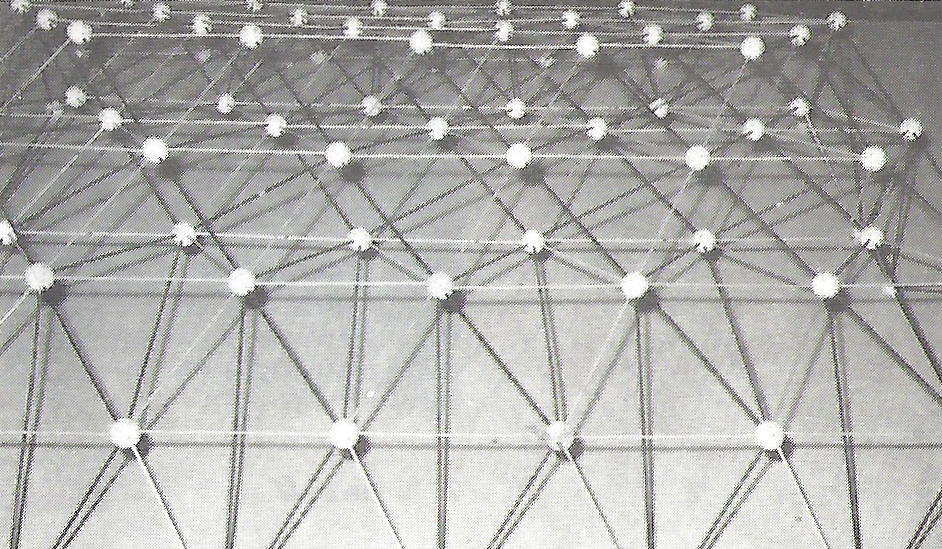
Figure 6.75: Rectangular truss - folded plate configuration
19
Figure 6.76: Truss formed of obtuse cells.
20
Figure 6.77:
21
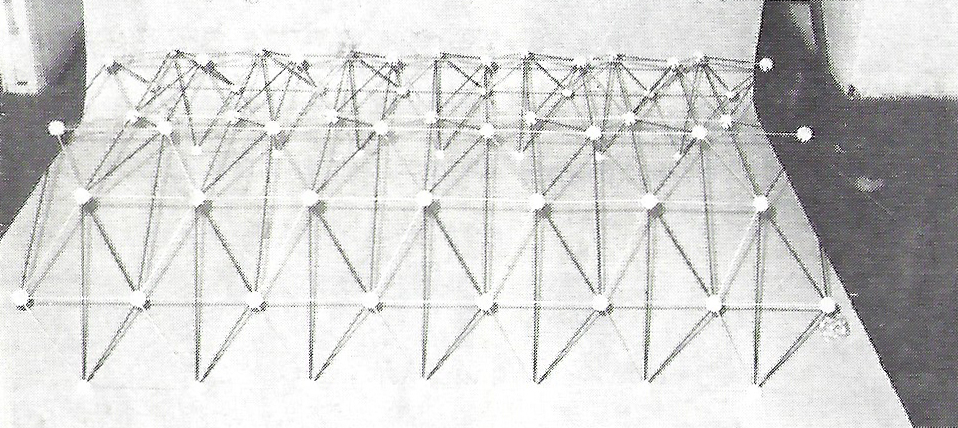
Figure 6.78: Two views of a rectangular trussed roof.
22
Figure 6.79: Triacontahedron—with interior icosadodecahedron for stiffening.
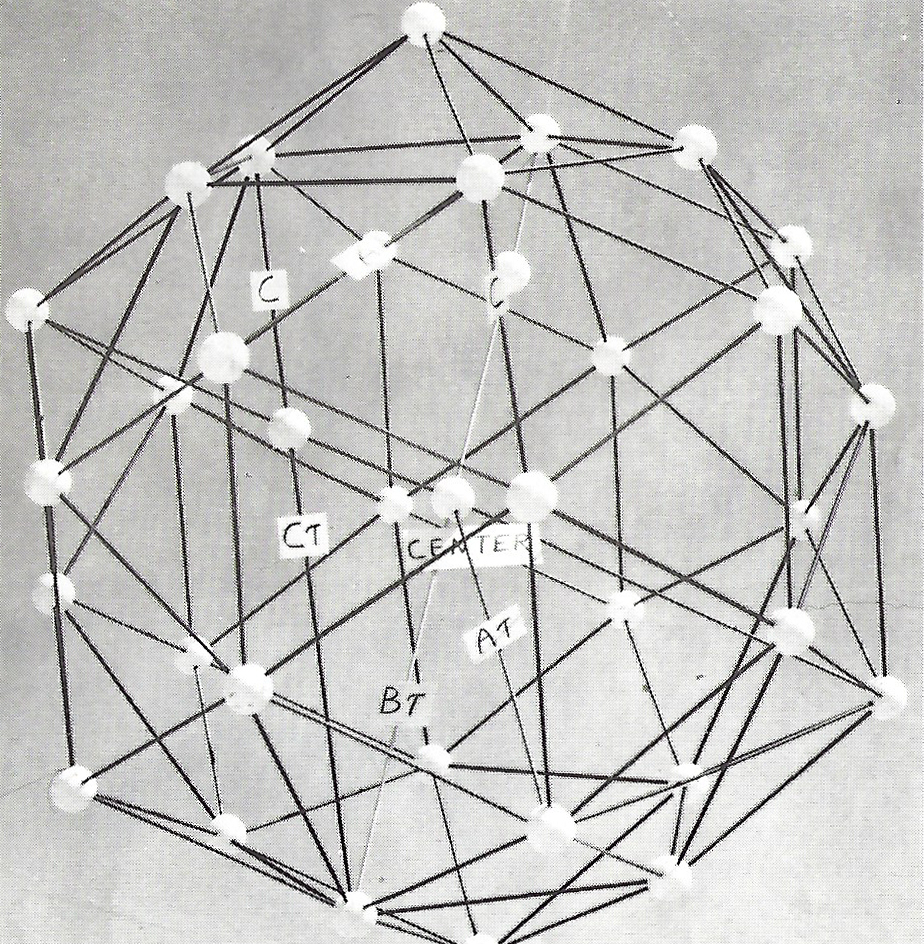
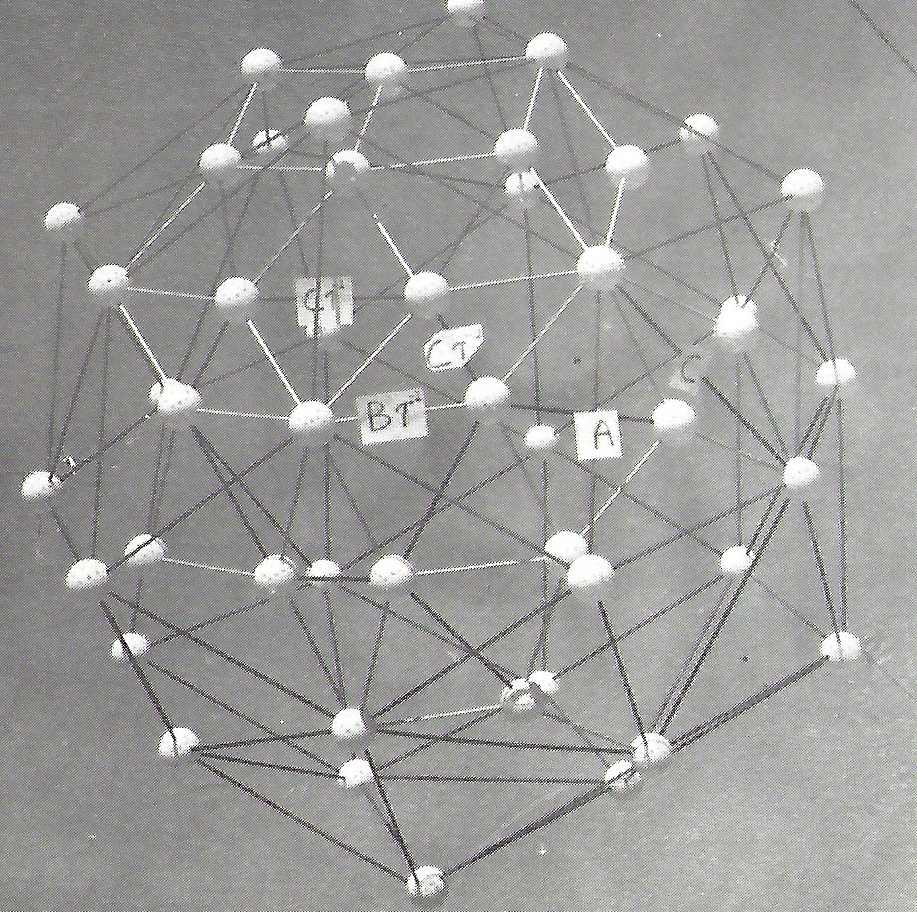
6.2 23 Radius to acute angled corner = AT .
Radius to obtuse angled corner = BT .
24
Figure 6.80: Triacontahedron
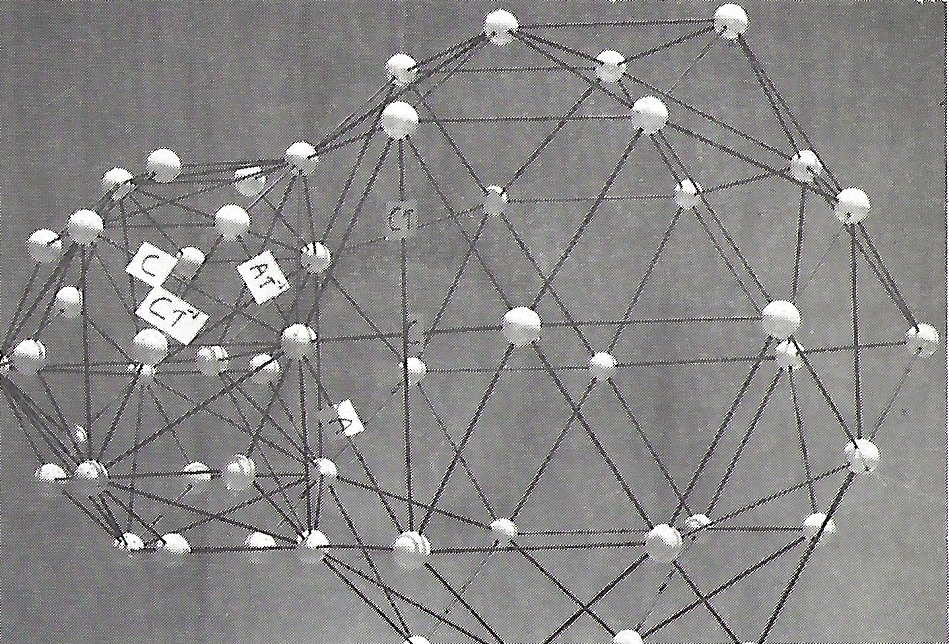
25 An enneacontahedron within a triacontahedron. The six sided vertices of the enneacontahedron
coincide with the three sided vertices of the triacontahedron.
26
Figure 6.81: Enneacontahedron within a triacontahedron
27 Triacontahedron with edge = A fused with Triacontahedron with edge = AT − 1
28 Short diagonals of large diamond faces appear as long diagonals of small diamond
faces.
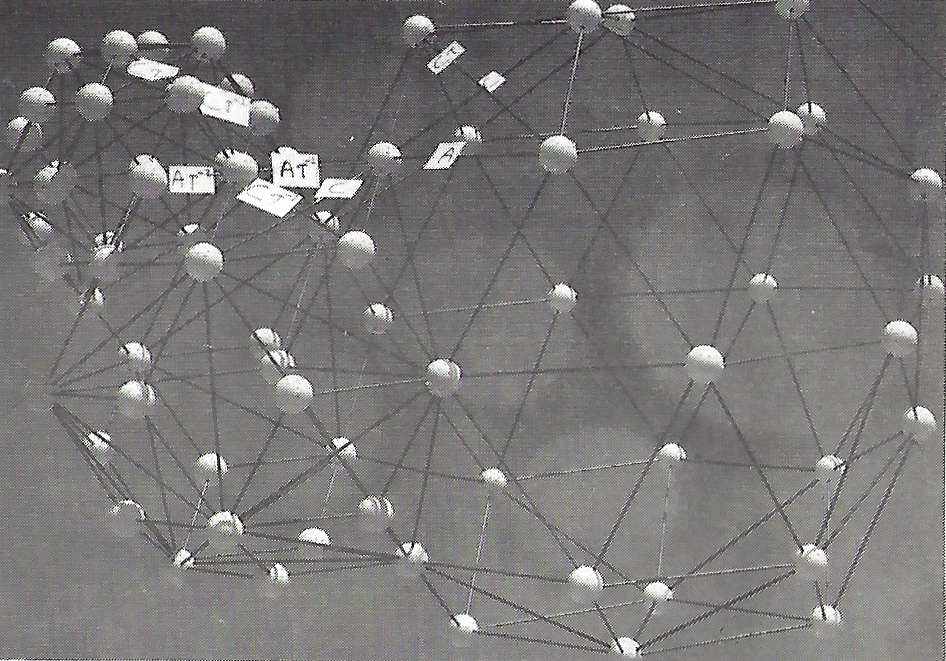
29 The acute angled vertex of a large triacontahedron is located at the center of a small
triacontahedron.
30
Figure 6.82: Enneacontahedron within a triacontahedron
31 Triacontahedron clustering carried from A to AT − 2
32
Figure 6.83: Triacontahedron